
Home » Hollywood vs. History: The Real Story of Cowboys in the American West
Gary Cooper as the classic Hollywood cowboy in the film High Noon, standing in a deserted western town street, symbolizing the iconic movie myth of the American West.

Hollywood vs. History: The Real Story of Cowboys in the American West

by Chip Schweiger, The Cowboy Accountant™

When you picture a cowboy, chances are it’s the Hollywood version: a lone rider silhouetted against a blazing sunset, boots shining, hat pulled low, and a six-shooter at the ready. Or maybe it’s the altruistic lawman at high noon, ready to reestablish justice in a frontier town. Either way, Western movies have given us some unforgettable cowboy myths. But in the discussion of real cowboys vs Hollywood, how much of what we see on screen reflects the real cowboys of the American West?

The truth is, the real story is even more compelling. One full of grit, diversity, hard work, and community. Let’s dig into the facts, debunk the biggest myths, and celebrate the authentic cowboy lifestyle that helped shape America.

The Hollywood Cowboy: Myths from Western Movies

The Lone Gunslinger

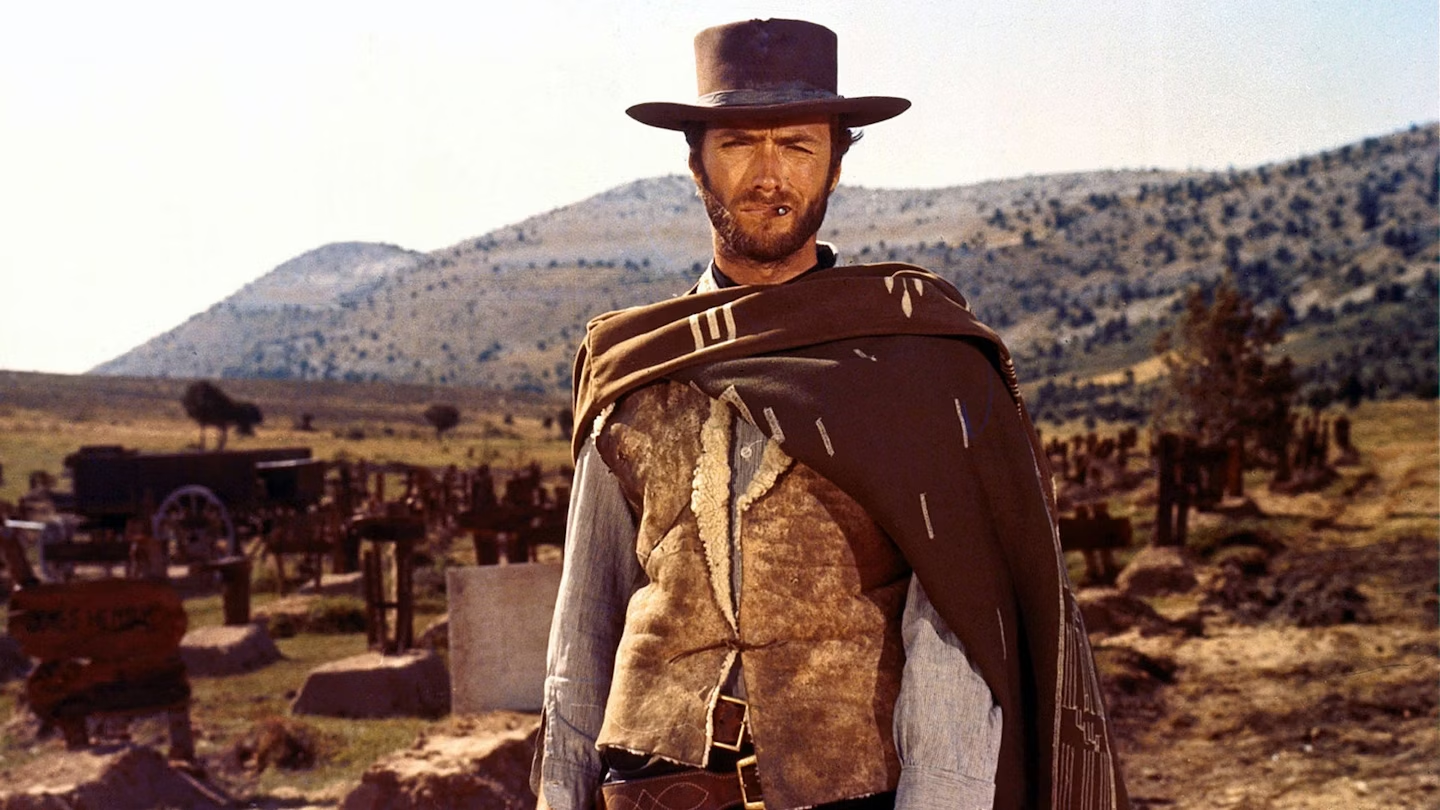
Hollywood’s cowboy is often a solitary figure—think John Wayne’s rugged heroes or Clint Eastwood’s stoic outlaws—who drifts from town to town, living by his own rules. The “lone gunslinger” is a central trope in Westerns, but cowboys rarely worked alone. Cattle drives and ranch work required tight-knit crews who depended on each other for safety and success. The myth of the solitary cowboy makes for great drama, but the real West was built on teamwork and camaraderie.

Clint Eastwood as the iconic Hollywood cowboy in The Good, the Bad and the Ugly, wearing a poncho and hat, standing in a classic western movie setting.
"The Good, the Bad and the Ugly" (1966). Photo: Shutterstock

Immaculate Gear and the “Cowboy Look”

On screen, cowboys are dressed to the nines: spotless shirts, perfectly shaped hats, boots that gleam, and gear that looks fresh from the store. In reality, cowboy attire was all about practicality. Dust, mud, sweat, and sun were part of daily life. Clothes were chosen for their durability, including wild rags to filter dust, chaps to protect the legs, hats for shade, and boots for long hours in the saddle. Truth be told, the “Hollywood look” is more costume than reality.

The High Noon Duel

No image is more iconic than the quick-draw duel in the middle of Main Street, pistols blazing at high noon. While these scenes are thrilling, they’re mostly fiction. Most frontier towns had strict gun control laws, and gunfights were rare. Cowboys were more likely to settle disputes with words or a fistfight than with bullets.

The Reality of Cowboy Life in the American West

Group of real cowboys resting together at the end of a long day, circa 1906, showcasing authentic western ranch life and camaraderie in the early American West.

The Daily Grind

A cowboy’s life was defined by hard work, not heroics. Days started before sunrise and ended after dark. Cowboys spent most of their time herding cattle, repairing fences, branding calves, and keeping watch for predators or rustlers. Meals were simple: beans, biscuits, and coffee cooked over an open fire. There was little glamour and even less rest.

Tools of the Trade

Every piece of gear had a purpose. Saddles were developed for comfort over long rides. Ropes (lassos) were essential for roping cattle. Bandanas or wild rags protected against dust. Chaps shielded legs from thorny brush. Even the classic cowboy hat, developed by John B. Stetson, was designed to provide shade and could double as a water bucket for a thirsty horse.

Community and Camaraderie

Despite the myth of the lone cowboy, real cowboys worked in crews, often forming close bonds with one another. On cattle drives, teamwork was essential for keeping the herd together and safe. Around the campfire, stories were swapped, songs were sung, and friendships were forged. The cowboy community was built on trust, respect, and shared hardship.

Gunslingers and Showdowns: Separating Fact from Fiction

Law and Order in the Old West

Contrary to Hollywood’s lawless image, most Western towns had strict laws about carrying firearms. Sheriffs, marshals, and town councils worked hard to maintain order. The infamous gunfights that did occur, like the epic shootout at the O.K. Corral, were rare exceptions.

Firearms as Tools

For working cowboys, guns were just another tool used for protection against predators, putting down injured animals, or hunting for food. The romanticized image of the gun-twirling cowboy comes more from dime novels and movie scripts than real life.

Bass Reeves, legendary Black deputy U.S. marshal of the American West, dressed in period attire, representing real lawmen and diversity beyond Hollywood cowboy myths.

Spotlight: The Real Story of Bass Reeves

One of the most fascinating figures of the West was Bass Reeves, a Black lawman who served as a deputy U.S. marshal. Reeves arrested outlaws, survived countless gunfights, and brought law to some of the roughest territories. And he did it all while living by a strict code of honor. His real-life exploits were so legendary that some believe he inspired the fictional Lone Ranger. Yet, Hollywood rarely tells his story, preferring simpler heroes.

Diversity of Cowboys: Who Shaped the West?

Black Cowboys

Historians estimate that as many as one in four cowboys were Black. After the Civil War, many formerly enslaved men found new freedom and opportunity on the open range. Nat Love, also known as “Deadwood Dick,” became famous for his skills as a roper and marksman. Love’s autobiography details epic cattle drives, narrow escapes from rustlers, and even winning a rodeo championship on the Fourth of July in Deadwood, Dakota Territory. His life is a testament to the diversity and adventure that defined the real American West.

Hispanic and Native American Cowboys

The original cowboys, known as vaqueros, came from Mexico and brought their skills and traditions north. Much of what we associate with cowboy culture, from roping techniques to saddles, originated with the vaqueros. Native Americans also played a crucial role, working as cowhands, guides, and adapting their traditions to the cattle industry.

Women of the West

Women weren’t just bystanders; they managed ranches, rode on cattle drives, and became legends in their own right. Mary Taylor Burton, born in 1874, was dubbed “the bride of the Old Chisholm Trail” because of her experience on cattle drives and living on a ranch with her husband in the southwest. Her stories of life on the open range earned her the respect of cowboys and ranchers alike, and paved the way for future generations of cowgirls.

The Cowboy Code: Real Values vs. Movie Tropes

What Was the Cowboy Code?

While there was no official handbook, per se, cowboys lived by a set of unwritten rules:

  • Always finish what you start.
  • Help your neighbors, even if they’re rivals.
  • Never abandon a friend in need.
  • Tell the truth, even when it’s hard.
  • Respect the land and animals you depend on.

These values weren’t just for show. They were essential for survival in a tough, unpredictable environment.

Hollywood’s Version vs. Reality

Movies often reduce the cowboy code to “the good guy always wins.” But real cowboys faced tough choices, moral dilemmas, and sometimes had to bend the rules to survive. Their reputation for toughness was matched by a deep sense of fairness and compassion.

Charlie Goodnight as pictured in Frontier Times Magazine, August 1942, legendary Texas rancher and trailblazer of the American West.

Anecdote: Charles Goodnight and the Legacy of Ranching

Charles Goodnight was a legendary Texas rancher and trailblazer who helped establish the Goodnight-Loving Trail. He was known for his innovation (like inventing the chuckwagon for cattle drives) and his sense of responsibility to his crew. Goodnight’s partnership with Oliver Loving, and his efforts to care for Loving after he was mortally wounded became the inspiration for countless stories of loyalty and grit in the West.

Why Cowboy Myths Persist and Why the Real Story Matters

The cowboy has become a symbol of American values—independence, bravery, and self-reliance. Hollywood’s version is easy to digest, full of action and clear heroes and villains. But the truth is more nuanced, and that’s what makes it worth exploring.

When we dig into the real lives of cowboys, we find stories of perseverance, innovation, and community. These are values that still resonate today, whether you’re on a ranch or in a city. The real cowboy story is a reminder that greatness often comes from teamwork, resilience, and respect for others.

Cowboys branding cattle on a ranch in the early 20th century.
Cowboys branding cattle in the early 1900s

Bringing the Truth to New Audiences

As interest in authentic western heritage grows, sharing these real stories on blogs, podcasts, or even YouTube and helps keep the legacy alive. I believe the more we highlight the diversity, grit, and humanity of real cowboys, the richer our understanding of the American West becomes.

Hollywood cowboys may be legendary, but the real story of the American West is just as captivating—if not more so. The lives of real cowboys and cowgirls were tough, their values timeless, and their impact lasting. Next time you watch a Western, tip your hat to the myth, but remember: the truth is worth telling, too.  —☆

You may also like

Discover more from Way Out West

Subscribe now to keep reading and get access to the full archive.

Continue reading

Discover more from Way Out West

Subscribe now to keep reading and get access to the full archive.

Continue reading
